Sealcoating vs Repaving: Which One Does Your Parking Lot Actually Need?
Quick Answer
- Sealcoating is preventative maintenance that protects asphalt from water, UV damage, and oxidation.
- Repaving is only necessary when the asphalt base has structurally failed.
- Pavement Restore™ is a cost effective middle option that repairs surface damage and restores asphalt without full replacement.
- In many cases, repaving can cost up to 10x more than restoration or sealing.
One of the most common questions property owners ask is whether their parking lot needs sealcoating or full repaving. The answer depends on the condition of the asphalt, not just how it looks. Understanding the difference can save thousands of dollars and extend the life of your pavement.
Table Of Contents
The Difference Between Sealcoating and Repaving
Sealcoating and repaving serve very different purposes. Sealcoating protects asphalt that is still structurally sound by sealing the surface and slowing deterioration. Repaving removes and replaces asphalt when the pavement base has failed.
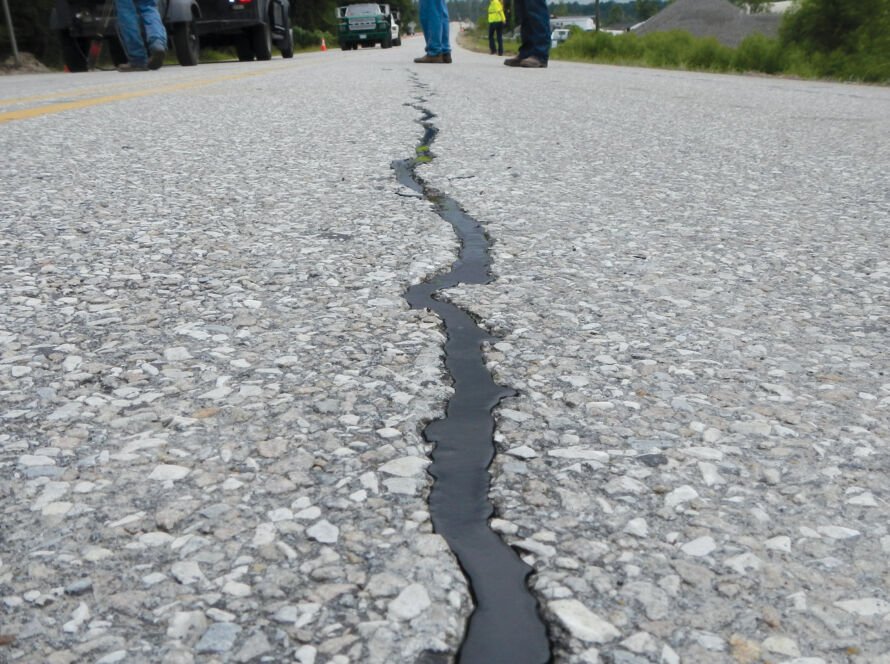
The mistake many property owners make is assuming that visible cracks automatically mean repaving. In reality, most asphalt failures begin at the surface and can be addressed long before replacement is required.
When Sealcoating Is the Right Choice
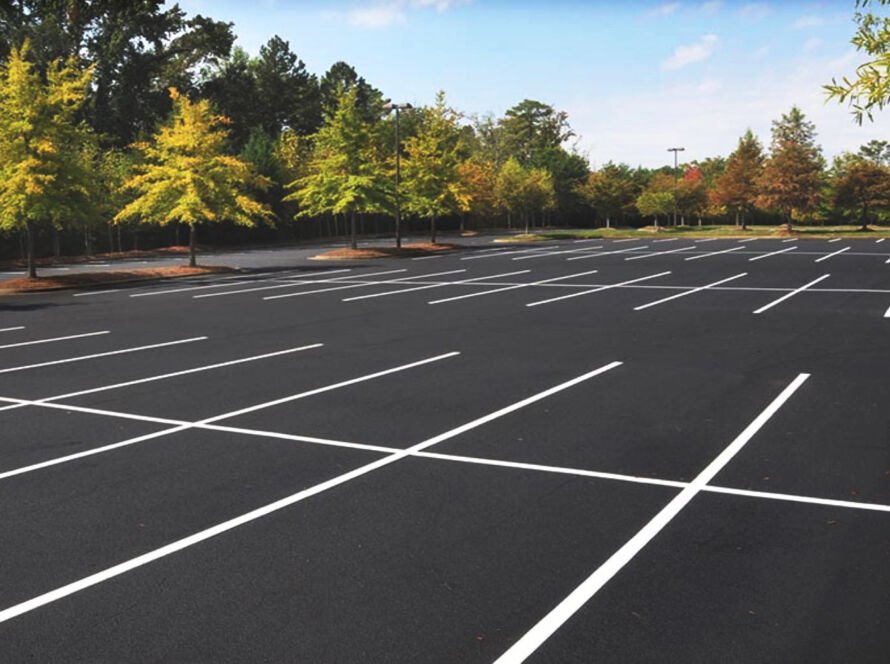
Sealcoating is ideal when asphalt is intact but showing signs of aging such as fading, light cracking, or surface dryness. A quality sealcoat creates a protective barrier that blocks moisture and UV exposure.
Sealcoating helps slow deterioration and extends pavement life when applied at the right time.
Truline applies TruBlack® Sealcoating, a premium system designed to restore deep black color, improve water resistance, and protect pavement from oxidation and traffic wear.
When Repaving Is Actually Necessary
Repaving should be considered only when the asphalt base has structurally failed. This includes widespread alligator cracking, severe rutting, or sinking caused by sub base issues.
In these cases, surface treatments alone will not stop the damage. Repaving removes failed asphalt and installs a new surface from the ground up.
What Is Pavement Restore™?
Pavement Restore™ is a full surface asphalt renewal system that bridges the gap between sealcoating and repaving. It physically repairs and rebinds the asphalt surface, filling fine cracking and restoring flexibility.
Unlike traditional sealcoating, Pavement Restore™ addresses surface level deterioration and creates a tighter, water resistant layer that looks and performs like new asphalt.
Pavement Restore™ can extend pavement life for years without the cost and disruption of repaving.
Cost Comparison and Long Term Value
From a financial standpoint, the difference is significant. Repaving can cost up to ten times more than surface restoration depending on size and site conditions. Sealcoating and Pavement Restore™ focus on preserving your existing investment.
Choosing the correct solution at the right time reduces long term maintenance costs and prevents premature replacement.
Not Sure Which Option Your Lot Needs?
Truline provides honest assessments based on pavement condition, not upsells.
Request a Free Evaluation