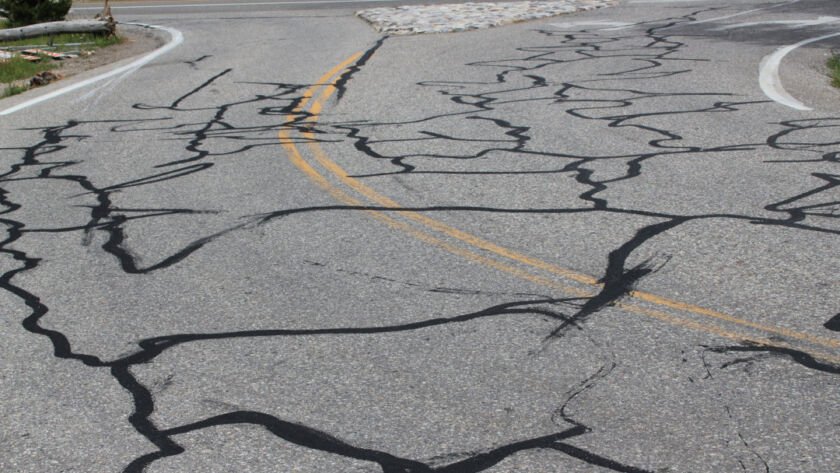
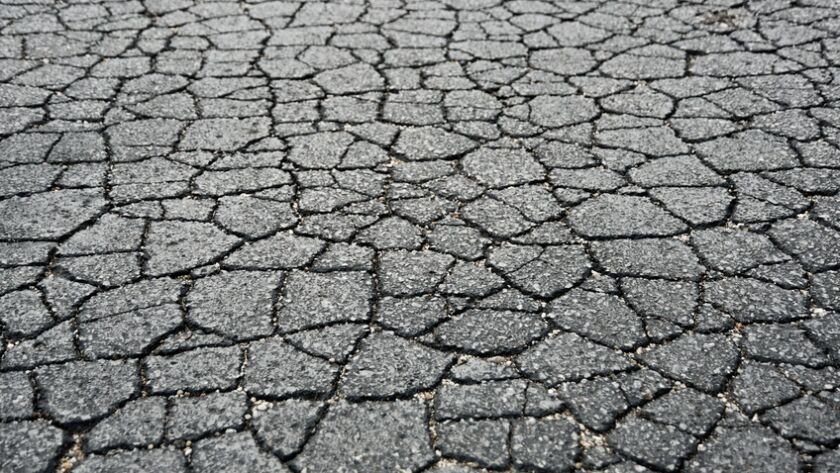
What Causes Alligator Cracking in Asphalt? Quick Answer Alligator cracking is a sign of structural stress beneath the asphalt surface. It is usually caused by water intrusion, base failure, and repeated load stress. Sealcoating alone cannot fix alligator cracking. Early intervention can often prevent full pavement replacement. Alligator cracking, also known as fatigue cracking, is…
Crack Sealing vs Asphalt Replacement: Which Is the Better Choice?
Quick Answer
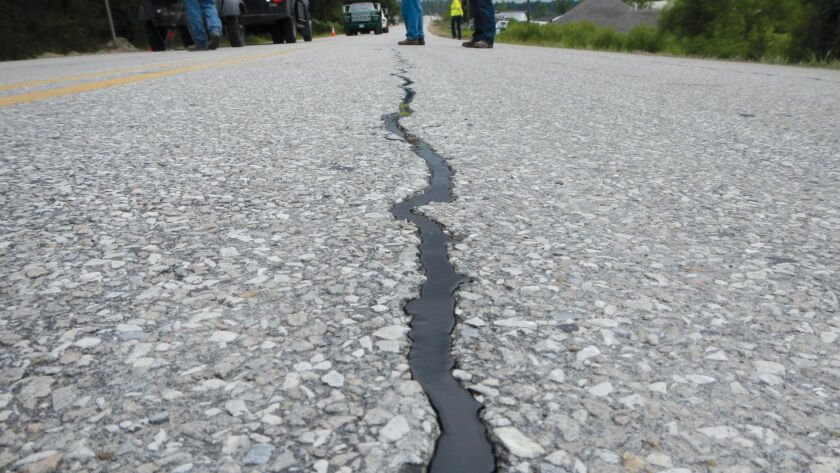
Crack sealing is a preventative maintenance solution that stops water intrusion and slows pavement failure.
Full asphalt replacement is only necessary when the pavement structure has failed.
…
Why Faded Parking Lots Increase Liability and Risk
Quick Answer
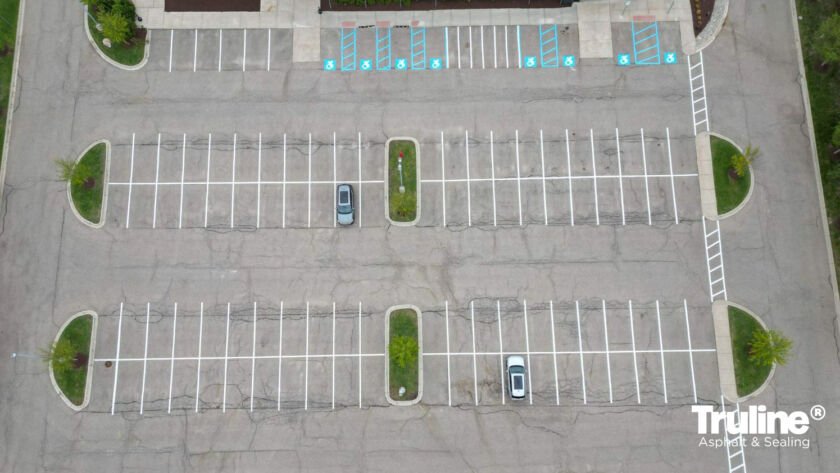
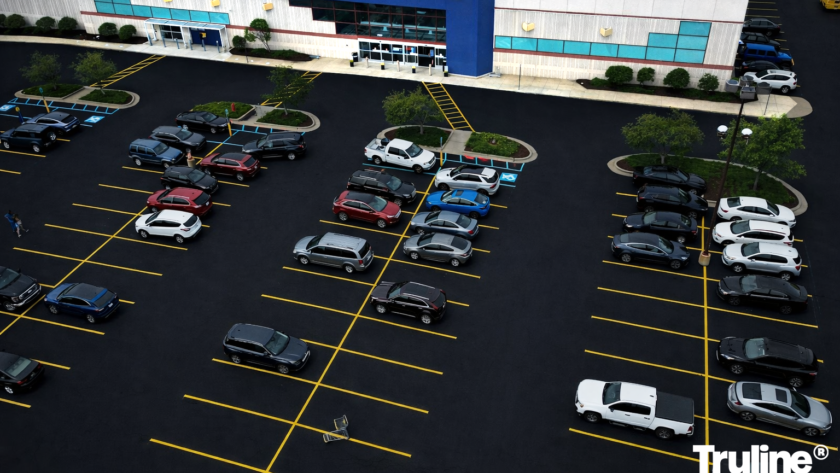
Faded parking lot markings increase the risk of accidents, injuries, and legal liability.
Unclear striping can violate ADA requirements, fire lane regulations, and safety codes.
Property owners may be…
How Often Should You Sealcoat a Parking Lot?
Quick Answer
Most commercial parking lots benefit from sealcoating every 2 to 3 years.
High traffic areas may require more frequent applications.
Sealcoating is preventative maintenance that protects asphalt from water,…
What Is Pavement Restore™ and How It Extends Asphalt Life
Quick Answer
Pavement Restore™ is a full surface asphalt renewal system that repairs and rejuvenates worn pavement.
It fills micro cracking, restores flexibility, and creates a water resistant surface.
…
Why Asphalt Cracks Form and What Happens If You Ignore Them
Quick Answer
Asphalt cracks form due to water intrusion, temperature changes, traffic stress, and oxidation.
Even small cracks allow water into the pavement structure, accelerating failure.
Ignoring cracks…
Sealcoating vs Repaving: Which One Does Your Parking Lot Actually Need?
Quick Answer
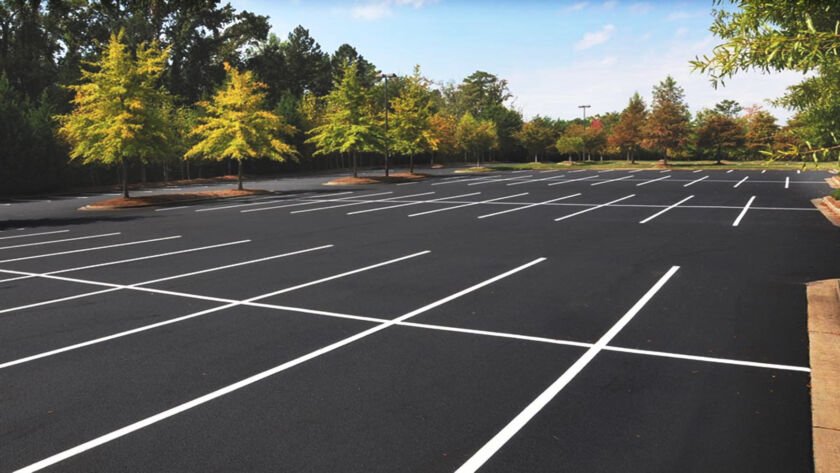
Sealcoating is preventative maintenance that protects asphalt from water, UV damage, and oxidation.
Repaving is only necessary when the asphalt base has structurally failed.
Pavement Restore™…