Crack Sealing vs Asphalt Replacement: Which Is the Better Choice?
Quick Answer
- Crack sealing is a preventative maintenance solution that stops water intrusion and slows pavement failure.
- Full asphalt replacement is only necessary when the pavement structure has failed.
- In many cases, crack sealing combined with surface restoration can extend pavement life for years.
- Replacement can cost up to 10x more than proactive maintenance options.
When cracks appear in asphalt, property owners are often told replacement is the only option. In reality, most pavements fail gradually, not all at once. Understanding the difference between crack sealing and full replacement can save significant money while preserving usable pavement.
Table Of Contents
Why Cracks Form in Asphalt
Cracks are the first visible sign that asphalt is losing flexibility. As oils evaporate and the surface oxidizes, pavement becomes brittle. Water enters through small openings, freezes, expands, and accelerates damage.
If cracks are left untreated, they grow wider and deeper, eventually compromising the base layer.
Early cracks are a maintenance issue, not a failure.
What Crack Sealing Does
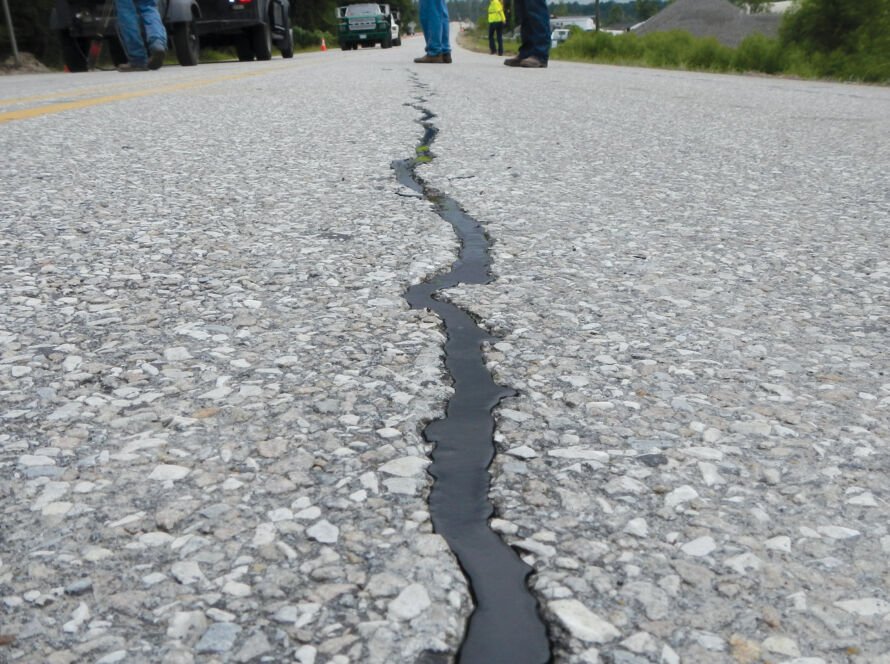
Crack sealing involves cleaning cracks and filling them with flexible, rubberized materials that expand and contract with the pavement. This prevents water from reaching the base and slows further deterioration.
When performed early, crack sealing can significantly extend pavement life and delay more costly repairs.
- Stops water intrusion
- Reduces crack expansion
- Protects the pavement base
- Improves surface appearance
When Asphalt Replacement Is Actually Needed
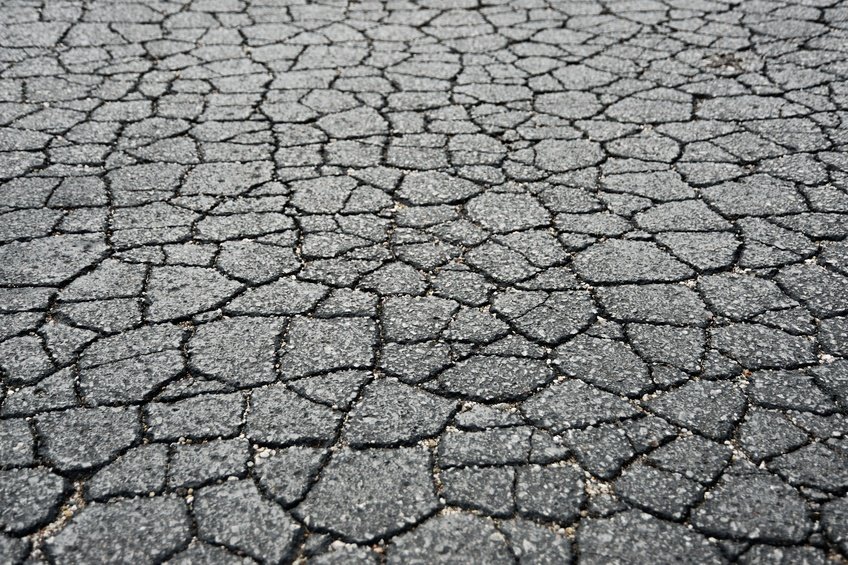
Full replacement is only necessary when the pavement structure has failed. Signs of structural failure include widespread alligator cracking, deep base movement, and severe rutting.
Replacing asphalt too early often means discarding pavement that could have been preserved with proper maintenance.
Cost Comparison: Maintenance vs Replacement
The cost difference between proactive maintenance and replacement is significant.
- Crack sealing and surface treatments are relatively low cost
- Sealcoating protects and extends results
- Full replacement can cost five to ten times more
Maintaining existing pavement almost always delivers better long term value.
Where Pavement Restore™ Fits In
When cracks are widespread but the base is still sound, Pavement Restore™ offers a powerful alternative to replacement. It fills micro cracking, restores surface texture, and rejuvenates oxidized asphalt.
Pavement Restore™ is often paired with crack sealing to reset pavement condition and establish a new maintenance cycle without the disruption and cost of replacement.
Layered maintenance extends pavement life and controls cost.
Not Sure Which Option Your Pavement Needs?
A professional evaluation can determine whether maintenance or replacement is the smarter investment.
Request a Pavement Evaluation