What Causes Alligator Cracking in Asphalt?
Quick Answer
- Alligator cracking is a sign of structural stress beneath the asphalt surface.
- It is usually caused by water intrusion, base failure, and repeated load stress.
- Sealcoating alone cannot fix alligator cracking.
- Early intervention can often prevent full pavement replacement.
Alligator cracking, also known as fatigue cracking, is one of the most serious forms of asphalt distress. The pattern resembles reptile skin and signals that the pavement structure is under stress. Understanding what causes alligator cracking helps property owners make smarter decisions before damage becomes widespread.
Table Of Contents
What Is Alligator Cracking?
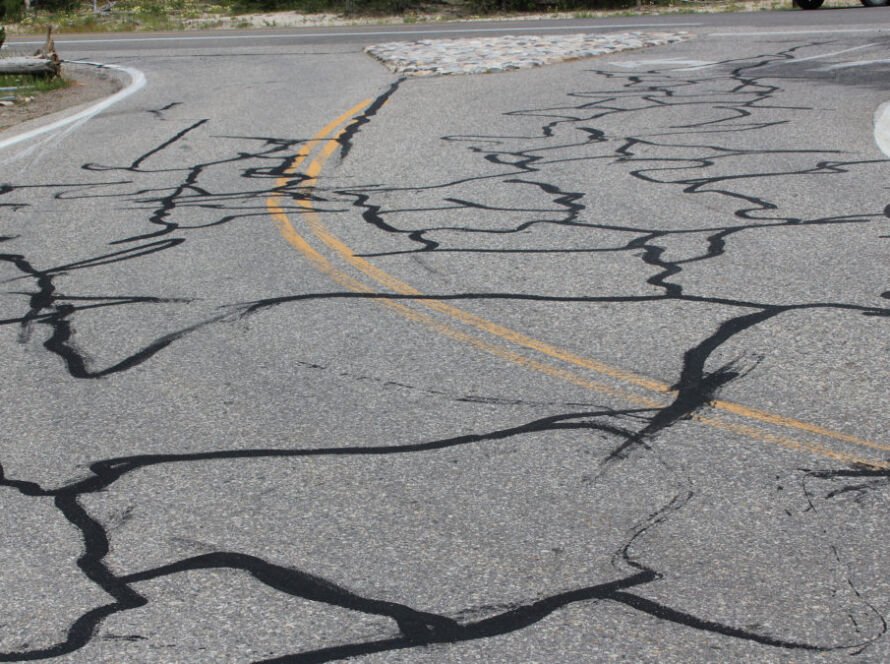
Alligator cracking appears as a network of interconnected cracks forming small, irregular blocks. Unlike surface cracks, this pattern indicates that the asphalt and underlying base are no longer distributing loads properly.
Once alligator cracking begins, deterioration accelerates quickly if left untreated.
🧱 Structural Stress
🚗 Load Failure
💧 Water Damage
This type of cracking is a warning sign, not just a cosmetic issue.
Main Causes of Alligator Cracking
Alligator cracking is rarely caused by a single factor. It usually results from a combination of issues beneath and above the asphalt surface.
- Weak or failing base layers
- Repeated heavy traffic loads
- Moisture trapped beneath the pavement
- Aging and oxidation of asphalt binders
When the base loses support, the surface flexes excessively and cracks under stress.
The Role of Water Damage
Water is the most destructive force acting on asphalt. Cracks allow moisture to reach the base, where it softens support layers and reduces load bearing capacity.
As vehicles pass over weakened areas, the pavement flexes and fractures. Freeze thaw cycles worsen the problem by expanding trapped moisture.
Traffic and Load Stress
Areas subjected to frequent braking, turning, or heavy loads experience higher stress. Loading zones, dumpster pads, drive lanes, and entrances are especially vulnerable.
If pavement was not designed for the current traffic volume, fatigue cracking may develop sooner than expected.
🛞 Turning Areas
🏭 Industrial Traffic
Stress concentrates in predictable high use locations.
Repair and Prevention Options
Repair options depend on the severity of the cracking and the condition of the base.
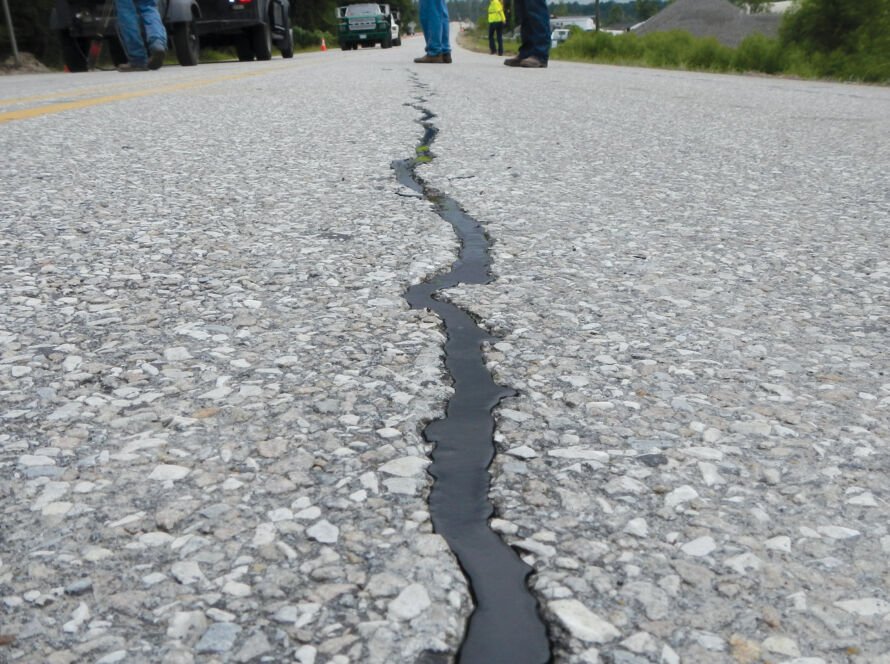
- Early stage: Crack sealing to stop water intrusion
- Moderate distress: Pavement Restore™ to rejuvenate the surface
- Severe failure: Sectional repair or replacement
Pavement Restore™ is often used when cracking is widespread but the base is still stable. It fills micro cracking, restores surface flexibility, and helps reset the pavement lifecycle.
🔄 Pavement Restore™
🛡 Sealcoating
Layered maintenance prevents structural failure.
Concerned About Cracking on Your Property?
A professional evaluation can identify the cause and the most cost effective solution.
Frequently Asked Questions
+
+
+