Why Faded Parking Lots Increase Liability and Risk
Quick Answer
- Faded parking lot markings increase the risk of accidents, injuries, and legal liability.
- Unclear striping can violate ADA requirements, fire lane regulations, and safety codes.
- Property owners may be held responsible for unsafe or confusing parking layouts.
- Routine maintenance like striping, crack sealing, and sealcoating reduces exposure.
Parking lots are one of the most common places where accidents occur on commercial properties. When lines fade, markings disappear, and surfaces deteriorate, confusion increases and so does liability. For property owners and managers, neglecting pavement maintenance can quickly become a legal and financial problem.
Table Of Contents
Why Parking Lot Liability Exists
Property owners have a responsibility to maintain reasonably safe conditions for drivers and pedestrians. Parking lots that lack visible guidance, proper spacing, or defined walkways can easily create unsafe situations.
When an accident occurs, faded markings are often cited as a contributing factor. This can shift responsibility to the property owner or manager.
Clear markings help demonstrate proactive safety management.
Common Risks Caused by Faded Markings
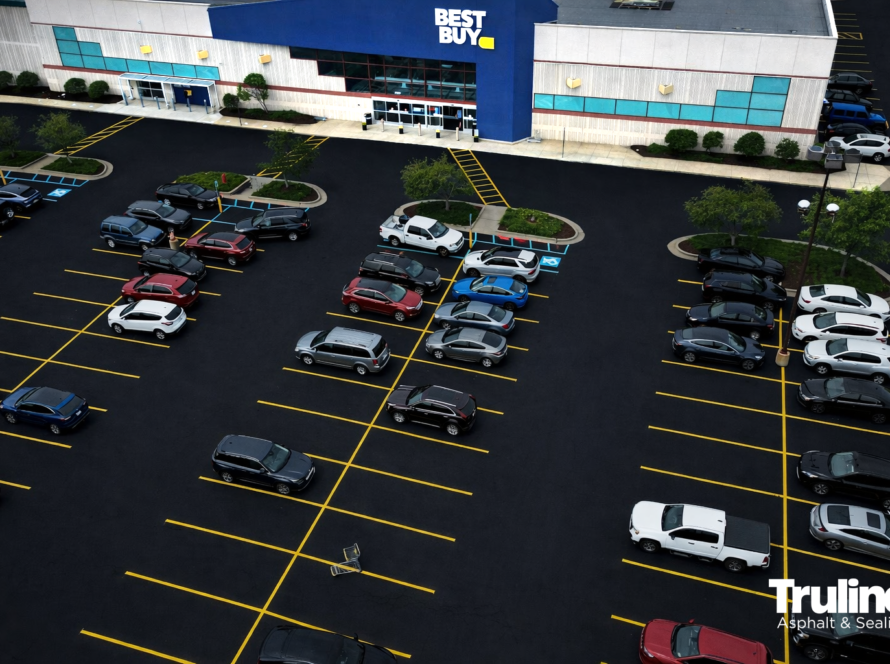
As striping fades, drivers begin improvising. Parking stalls blur together, traffic directions become unclear, and pedestrian zones disappear.
- Vehicles parking outside designated stalls
- Blocked fire lanes and access routes
- Unsafe pedestrian crossings
- Increased fender benders and near misses
These issues are not only dangerous but also difficult to defend against in the event of a claim.
ADA and Fire Lane Compliance Issues
Faded or missing markings can put a property out of compliance with accessibility and emergency regulations.
ADA accessible stalls, access aisles, and signage must remain clearly visible. Fire lanes must be properly marked and unobstructed. When these markings fade, enforcement actions, fines, or forced corrections may follow.
How Surface Condition Contributes to Risk
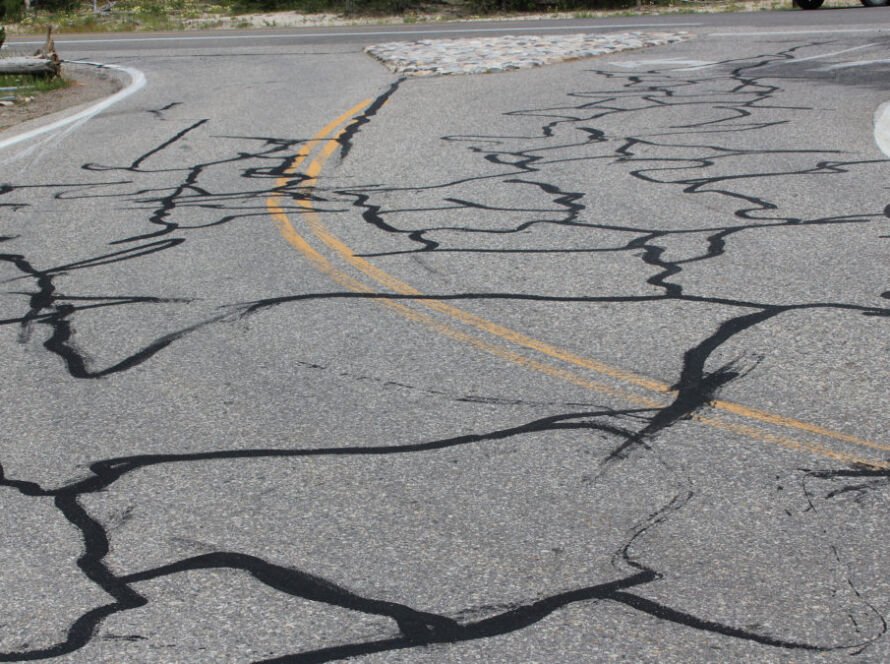
Surface deterioration compounds liability issues. Cracks, potholes, and uneven pavement increase trip hazards and vehicle damage claims.
Crack sealing and surface protection slow deterioration and help keep markings visible longer by providing a uniform, sealed surface.
When oxidation and fine cracking spread across the surface, Pavement Restore™ can rejuvenate the asphalt before more severe damage develops.
Surface maintenance supports safety and reduces exposure.
How to Reduce Liability Exposure
The most effective way to reduce parking lot liability is through proactive maintenance. This includes:
- Routine parking lot striping
- Maintaining ADA and fire lane markings
- Sealing cracks before they spread
- Protecting surfaces with sealcoating
- Restoring worn pavement before failure
These steps demonstrate responsible property management and help prevent incidents before they occur.
Reduce Risk on Your Property
A clear, well maintained parking lot protects both people and property.
Request a Safety Assessment